


London can feel like five cities stitched together: grand and historic in one moment, scruffy and brilliant the next, then suddenly calm the second you step into a park. If you’re planning a trip and searching for things to do in London, the sheer number of “must-sees” can get overwhelming fast. The trick isn’t trying to do everything — it’s choosing a few iconic London tourist attractions, mixing in neighbourhood wandering, and giving yourself permission to slow down.
Below is a practical guide to the best places to visit in London, with a simple bullet-point to do list and a gentle to avoid list (because not every “top attraction” is worth your time or money). Think of it as a flexible London itinerary rather than a strict timetable.
Start With the Classics (But Do Them Smart)
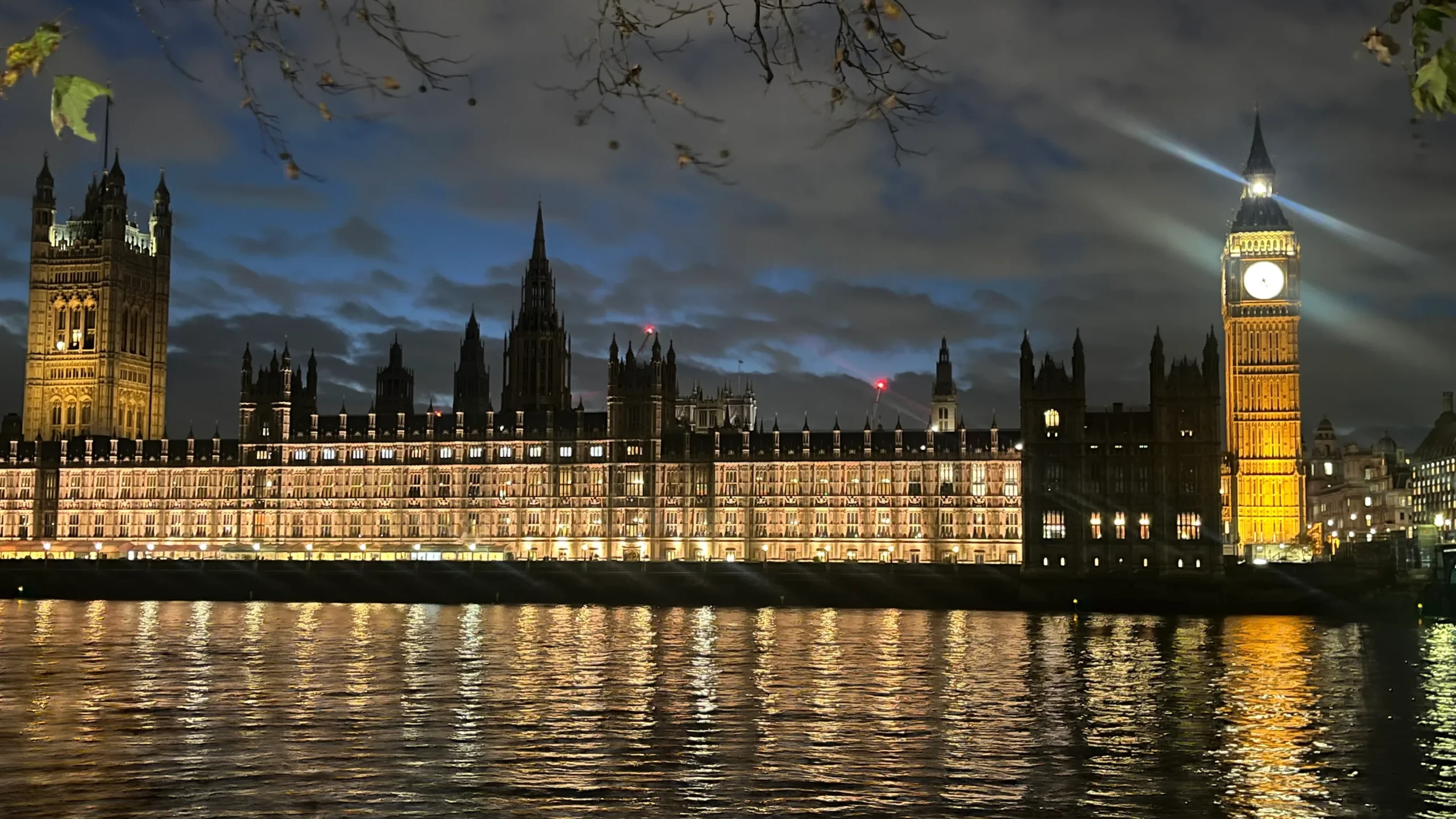
If it’s your first time, you probably do want the postcard moments — just do them at the right time of day. Westminster is the obvious opening chapter: Big Ben, the Houses of Parliament, and Westminster Abbey. Early morning is calmer, the light’s better for photos, and you won’t be shoulder-to-shoulder with tour groups. From there, stroll along the Thames towards the South Bank. It’s one of those walks that feels like a film set: buskers, book stalls, riverside views, and plenty of little corners to stop for coffee.
Tower Bridge and the Tower of London are another classic pairing. Tower Bridge is the “that’s London!” photo; the Tower is the deep history (and yes, the Crown Jewels really do draw a crowd). If you can, book tickets ahead — London queues are a lifestyle, and pre-booking is one of the best London travel tips I can offer.
And then there’s the London Eye. Is it touristy? Absolutely. Is it a genuinely great way to get your bearings? Also yes. If you’re only doing one paid “big view” experience, it’s a solid choice — especially close to sunset when the city starts to glow and you can actually see how the neighbourhoods fit together.
Neighbourhoods That Give You the Real London Feeling
This is where London stops being a checklist and starts being a memory. Covent Garden is busy, but it’s busy in a fun way: performers, tucked-away lanes, and the sort of shopping you “accidentally” do even if you promised yourself you wouldn’t. Nearby, Seven Dials and Neal’s Yard are small enough to explore without a plan — colourful, cosy, and perfect for a quick wander.
For a different vibe, head east. Shoreditch is the place for street art, vintage shops, and cafés that take coffee seriously. Spitalfields has markets and that old-meets-new London architecture, and Brick Lane is all about food and energy. Go hungry, keep your camera ready, and don’t worry if you get a bit lost — in this part of the city, that’s half the fun.
If you want something a little more polished, Notting Hill is charming in that storybook way — pastel houses, Portobello Road Market, and great people-watching. Just remember: it’s a neighbourhood, not a film set. Keep your voice down on residential streets, don’t block doorways for photos, and you’ll still have a lovely time.
Museums and Free Things to Do in London (That Don’t Feel “Free”)
One of the best things about a trip here is that some of the biggest cultural heavyweights are genuinely free. If the weather turns (and, well, it’s London), you’ll be glad you’ve got a museum day in your back pocket.
- The British Museum is massive — don’t try to “complete” it. Pick a few sections you actually care about (Egypt, Greece, or the Rosetta Stone) and enjoy it at your own pace.
- The National Gallery in Trafalgar Square is perfect if you want big-name art without big-name ticket prices.
- The Victoria and Albert Museum (V&A) is a favourite for design, fashion, and gorgeous rooms that make you feel instantly fancier.
If you’re building a budget-friendly London itinerary, mixing these in between paid attractions is a smart move — and it keeps your days varied so everything doesn’t blur into “another landmark, another photo”.
Parks, Markets, and “Slow London” Moments
London’s parks are where the city exhales. Even if you’re not “a park person”, you’ll get it once you’re sitting on a bench with a pastry watching life roll by. Hyde Park and Kensington Gardens give you classic open space, while Regent’s Park feels prettier and slightly calmer. If you want a view that makes you stop and say “Oh wow”, head to Greenwich Park and look back towards the skyline.
Markets are another easy win. Borough Market is the big foodie one — go hungry, go early, and accept you’ll spend more than you planned because everything smells too good. Camden Market is louder, busier, and a bit much, but it can be brilliant if you lean into the chaos and don’t expect peace. If you’re around on a Sunday, Columbia Road Flower Market is pure colour and cheerful bustle.
Food Ideas That Aren’t Just Fish and Chips
Yes, try fish and chips — but London’s real superpower is variety. A simple approach is to plan three “types” of eating: one proper pub meal, one market feast, and one day where you snack as you go. It keeps things relaxed and stops you from feeling like every meal needs to be a major event.
A Sunday roast is the obvious pub choice (book ahead on Sundays), and if you’re wandering central London, step one street away from the neon around Leicester Square before choosing dinner. London has incredible food, but the most obvious tourist strips aren’t always the best value.
To-Do List: London Highlights (Tourist-Friendly, Actually Worth It)
- Walk Westminster → South Bank for classic Thames views
- Visit the Tower of London (book ahead if you can)
- Grab the photo at Tower Bridge
- Choose one big museum: British Museum / National Gallery / V&A
- Do one market: Borough Market for food or Camden for energy
- Spend a slow hour in a park: Regent’s Park or Greenwich Park
- Ride a double-decker bus for the view (cheap sightseeing!)
- See London at night: a riverside walk or a West End show
- Wander a neighbourhood: Notting Hill, Shoreditch, or Covent Garden
- Try a proper Sunday roast in a pub
Points of Interest to Avoid (Or Do Differently)
This isn’t a “never go” list — it’s a “protect your time and wallet” list. London is brilliant, but it’s also busy, and a few small choices can make your trip feel calmer and more enjoyable.
- Oxford Street on a Saturday afternoon (crowded, stressful, not the best shopping experience)
- Leicester Square restaurants aimed at tourists (often overpriced for what you get)
- Madame Tussauds unless you genuinely love wax museums (expensive and queue-heavy)
- M&M’s World (fun for five minutes, then you realise it’s mostly crowds and sugar)
- Trying to do too many zones in one day (London looks smaller on the map than it feels on your feet)
- “Free” walking tours with aggressive pressure to tip (choose reputable guides and set expectations)
A Simple 2-Day London Itinerary Idea (No Panic, No Sprinting)
Day 1: Classic London
Westminster in the morning → walk the Thames to South Bank → lunch nearby → London Eye or Tate Modern → dinner in Covent Garden/Soho.
Day 2: East + History
Spitalfields/Brick Lane in the morning → Borough Market lunch (or swap) → Tower of London + Tower Bridge late afternoon → sunset riverside walk.
London rewards curiosity. The best moments often aren’t the biggest ticket items — they’re the little details: a hidden mews street, the sound of a busker under an arch, a sudden view of St Paul’s between modern buildings. Build your plan around a few London tourist spots, then leave space for the city to surprise you.
